March 14, 2024
Why do I keep making the same watercolor mistakes?
You keep making the same watercolor mistakes because of blind spots: you don't know what you don't know, so you repeat them without realizing it. Following tutorial after tutorial won't fix that. To improve, spot the technique you keep doing wrong, then go back to the root cause of that mistake.
Why don't we see our own watercolor mistakes?
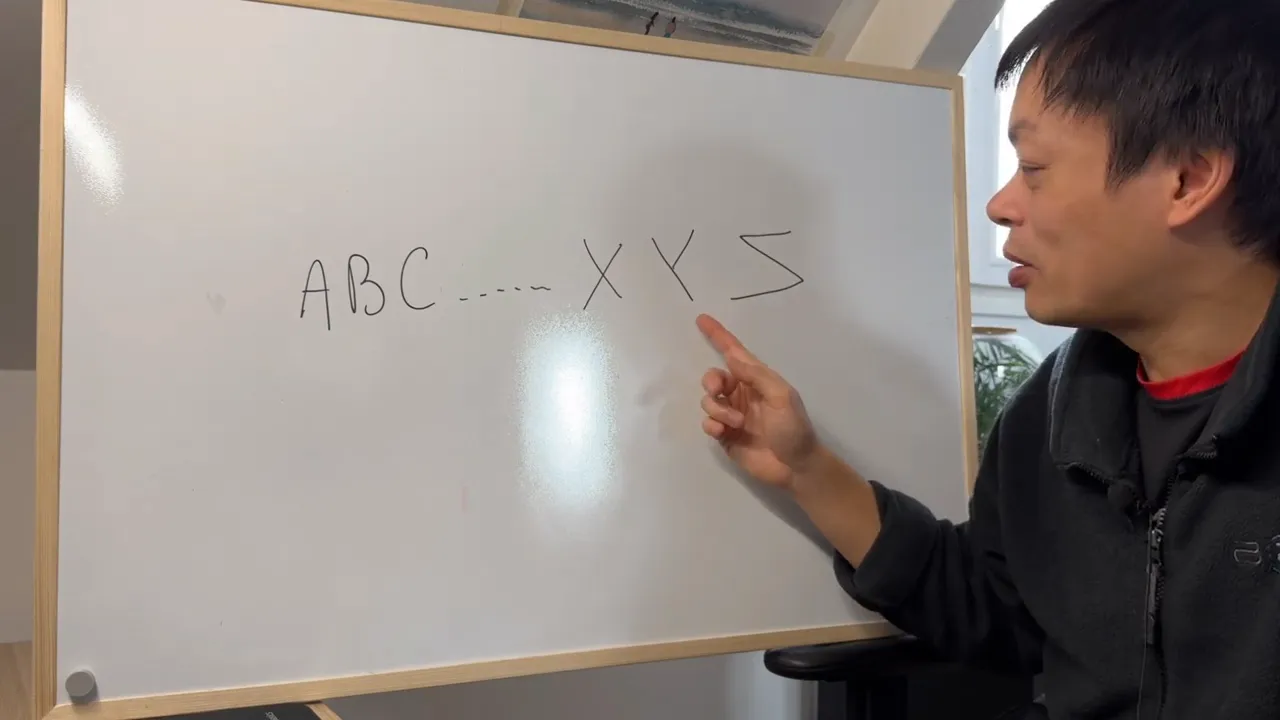
I realized this through a story about my daughters. When I took the younger one to school, she was asked to find a letter in the alphabet, for example the letter C. She managed to spot it.
When we told my older daughter about this exercise, she wrote the alphabet on a sheet of paper. But she wrote the letters X, Y and Z her own way, and she was so convinced it was the right way that she asked her little sister: "Hey, do you know where the X is? Do you know where the Y is?" I told her: "You know what, these letters are not right. You should write them differently."
That's when I realized this is exactly what happens when I teach watercolor to my students. When we paint watercolor, we don't know what we don't know. We don't notice our own mistakes. My daughter didn't question the way she wrote those letters at all. For my students, and I include myself, it's exactly the same: sometimes we don't question the way we paint.
Why following more tutorials won't make you better
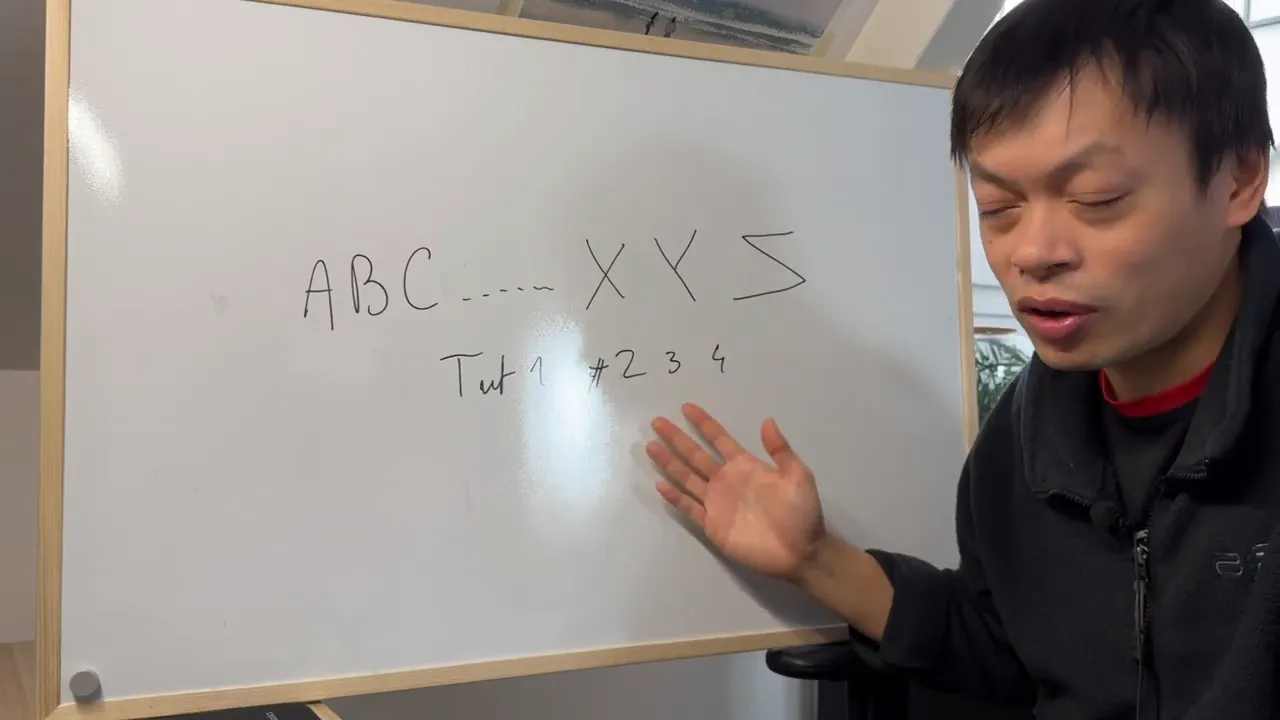
You can follow tutorial 1, tutorial 2, tutorial 3, tutorial 4: it doesn't matter. You won't improve your watercolor skills unless you spot your blind spots, unless you realize that the way you write your watercolor letters is not the right one.
This is why following lots and lots of watercolor tutorials won't make you a better artist. It's also why I don't recommend blindly following tutorials on YouTube, on the internet or in books. Spotting your own mistakes can sometimes take years.
How do watercolor techniques work like letters?
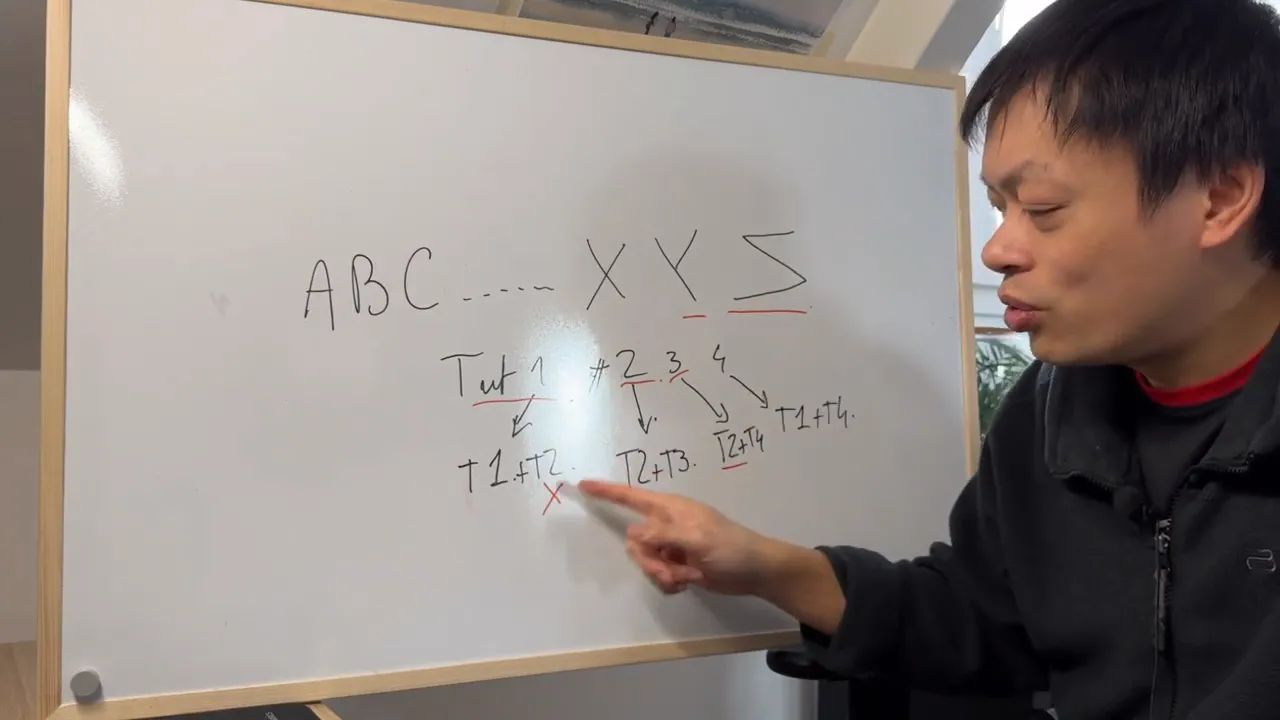
Think of each tutorial as a combination of techniques:
- In tutorial 1, you use technique 1 plus technique 2.
- In tutorial 2, you use technique 3 plus technique 4.
- In another one, technique 2 plus technique 3.
- In another, technique 2 plus technique 4.
- In another, technique 1 plus technique 4.
These techniques are like the letters of watercolor. If, for example, you don't do technique 2 the right way, you can follow tutorial 1, tutorial 2 or tutorial 3: it won't matter. At the end of the day, every painting that relies on technique 2 will turn out poorly.
What helps most is having someone or something tell you: "Every time you do technique 2, you fail at it. That's why your watercolor paintings don't work."
How do you find the root cause of a watercolor mistake?
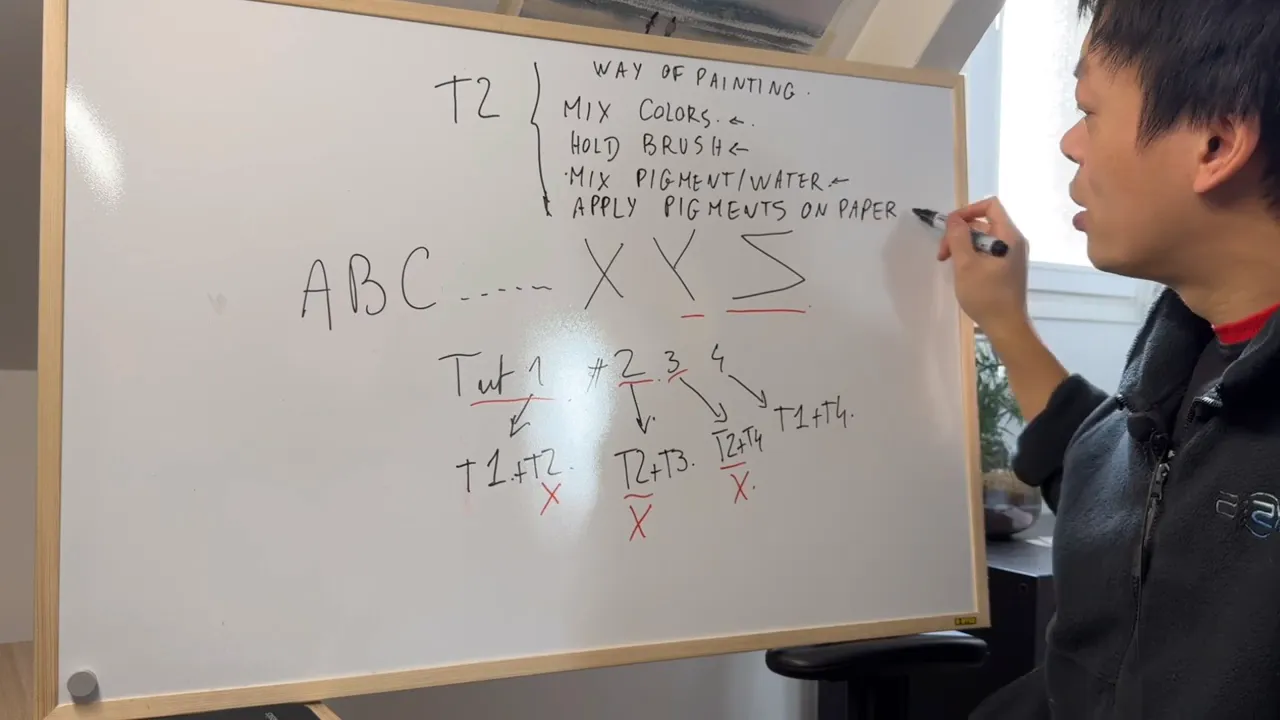
This is the hardest part: identifying the right root cause. A single technique can go wrong for many reasons:
- The way you mix colors. This step alone can be wrong.
- The balance of pigment and water. Sometimes you add too much water, sometimes too little pigment.
- The way you hold your brush. Holding it one way or another is not the same. A technique may require a particular grip, and if you hold it differently, it won't work.
- The way you apply the pigment to the paper.
So for just 1 technique, there could be many reasons why it fails. If you don't spot the right one, you will repeat the same mistake over and over, and no number of tutorials will solve that root cause.
What should you do if you feel you're not improving?
If you feel you are not improving in watercolor, here is the process:
- Spot where the issue is. Look for the pattern among the tutorials where you fail.
- Reverse engineer the techniques. Find which technique those failed tutorials have in common.
- Go back to the root causes of that technique. Check your mixing, the way you hold your brush, the way you apply pigment.
- Find the right root cause. Identify exactly where you make the mistake.
This is a big lever. If you spot the right mistake, the fix carries over into every tutorial you follow in the future. This is probably the main roadblock in your practice right now.
Why do we stop questioning our own practice?
Sometimes we get too caught up in "I have to paint every day, I have to do this, I have to do that." We put so many constraints on how we should paint that we no longer take the time to question our own way of painting, our own practice. Stepping back to find your blind spots is how you improve your art.
FAQ
Will painting more tutorials help me improve at watercolor?
Not on its own. If you do one technique the wrong way, every tutorial that uses it will give a poor result.
What is a blind spot in watercolor?
It's a mistake you don't realize you make, because you are convinced your way of painting is the right one. Like my daughter writing X, Y and Z her own way, you never think to question it.
How long does it take to spot your own watercolor mistakes?
On your own, it can sometimes take years. That's why it helps to have someone or something point out the technique you keep failing at.
If you want to finally create on your own, with a proven system instead of copying tutorials, this is exactly what you'll find here 👇
Discover The Loose Watercolor System